



Hey there! As an artificial stone supplier, I often get asked this age - old question: “Which is better, natural stone or artificial stone?” Well, let's dive right in and break it down.


Appearance and Aesthetics
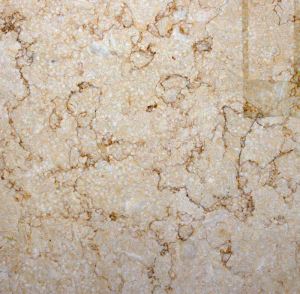
First off, let's talk about how they look. Natural stone has this unique charm. Each slab is one - of - a - kind, with veins and patterns formed over millions of years. It's like having a piece of the Earth's history right in your home. For example, marble has those beautiful, flowing veins that give it a luxurious and elegant look. Granite, on the other hand, has a more granular appearance, with a variety of colors and flecks that can add a rustic or contemporary feel depending on the type.
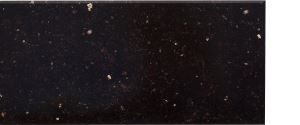
But artificial stone isn't lagging behind. With modern technology, manufacturers can create artificial stones that mimic the look of natural stone almost perfectly. You can find artificial marble that has the same smooth, shiny finish and realistic veining as the real thing. And the best part? You have more control over the appearance. You can choose from a wider range of colors and patterns that might not be available in natural stone. For instance, if you're looking for a very specific shade of blue or a geometric pattern, artificial stone can make it happen. Check out our Sintered Countertops for some amazing artificial stone options with great aesthetics.
Durability
When it comes to durability, both natural and artificial stone have their pros and cons. Natural stone is generally very hard and strong. Granite, for example, is extremely resistant to scratches and heat. It can withstand the wear and tear of daily use in a kitchen or a high - traffic area. However, natural stone is porous. This means it can absorb liquids, which can lead to staining if not properly sealed. Marble, in particular, is quite soft and can be easily etched by acidic substances like lemon juice or vinegar.
Artificial stone, on the other hand, is non - porous. This makes it highly resistant to staining. You don't have to worry about that red wine spill or that tomato sauce splatter ruining your countertop. It's also very scratch - resistant, although it might not be as heat - resistant as some natural stones. But let's face it, you're not supposed to put a hot pan directly on any countertop anyway! Our artificial stone products, such as Decorative Stone Cladding Panels, are designed to be durable and long - lasting, perfect for both indoor and outdoor use.
Cost
Cost is always a major factor when making a decision. Natural stone can be quite expensive. The price depends on the type of stone, its quality, and its origin. Rare or exotic stones can cost a fortune. On top of that, there are additional costs for installation, sealing, and maintenance. You need to have it sealed regularly to prevent staining, and if it gets damaged, repairs can be costly.
Artificial stone is generally more budget - friendly. It's mass - produced, so the manufacturing costs are lower. Installation is also often easier and quicker, which can save you on labor costs. And because it doesn't require regular sealing and is less prone to damage, the long - term maintenance costs are lower too. So, if you're on a tight budget but still want a beautiful and durable surface, artificial stone is a great option.
Environmental Impact
Let's not forget about the environment. Natural stone mining can have a significant impact on the environment. It involves large - scale excavation, which can lead to habitat destruction, soil erosion, and water pollution. Transporting natural stone from quarries around the world also contributes to carbon emissions.
Artificial stone, on the other hand, can be more environmentally friendly. Many artificial stones are made from recycled materials, such as glass, quartz, and other industrial waste. The manufacturing process can be more energy - efficient, and because it's mass - produced locally, there's less need for long - distance transportation. Our Decorative Wall Cladding Panels are an eco - friendly choice that doesn't compromise on quality or style.
Maintenance
Maintenance is a key consideration. As I mentioned earlier, natural stone needs regular sealing to prevent staining. You also have to be careful about what you use to clean it. Harsh chemicals can damage the surface. And if it gets scratched or etched, it might need professional restoration.
Artificial stone is a breeze to maintain. You can clean it with just a mild soap and water. There's no need for special cleaners or regular sealing. It's also very easy to keep looking new for a long time.
Conclusion
So, which is better, natural stone or artificial stone? Well, it really depends on your needs, preferences, and budget. If you're a fan of the unique look and feel of natural stone and have the money to invest in it, and you're willing to put in the effort for maintenance, then natural stone might be the right choice for you.
But if you're looking for a cost - effective, low - maintenance, and environmentally friendly option with a wide range of design possibilities, then artificial stone is the way to go. As an artificial stone supplier, I'm obviously biased towards artificial stone, but I believe it offers a lot of advantages that make it a great choice for many people.
If you're interested in our artificial stone products or have any questions about which option would be best for your project, don't hesitate to reach out. We're here to help you make the right decision and find the perfect artificial stone solution for your needs. Let's start a conversation about your next project and see how we can bring your vision to life!
References
- Smith, J. (2020). Stone Selection Guide. Home Improvement Press.
- Johnson, A. (2021). Environmental Impact of Building Materials. Green Construction Journal.
- Brown, K. (2019). Durability of Natural and Artificial Surfaces. Surface Technology Review.