




Yo, folks! As a supplier of marble slabs, I've had my fair share of dealing with different types of marble. One of the most common questions I get is about the difference between Italian and Turkish marble slabs. So, I thought I'd break it down for you in this blog post.
Appearance
First off, let's talk about how they look. Italian marble is world - famous for its elegance and sophistication. It usually has these smooth, clean lines and a high - end, luxurious look. The Carrara marble, which is a well - known type of Italian marble, has a beautiful white base with soft gray veins. It gives off this classic, timeless vibe that's perfect for high - end projects like luxury hotels or high - end residential homes.
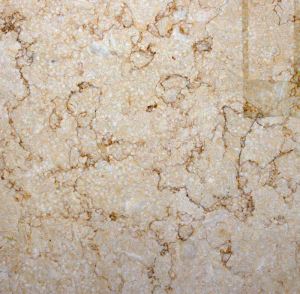
On the other hand, Turkish marble comes in a wider range of colors and patterns. You've got the bright whites, but also some really cool earthy tones like creams and beiges. Take the Cream Beige Marble for example. It has a warm, inviting color that can add a cozy touch to any space. Turkish marble also often has more pronounced and irregular veins, which can give it a more rustic or natural look. This makes it a great choice for projects where you want to create a unique, one - of - a - kind aesthetic.
Quality and Durability
When it comes to quality and durability, both Italian and Turkish marble have their own strengths. Italian marble is typically known for its high quality and density. It's been quarried for centuries, and they've got a long - standing tradition of extracting and processing it. This means that Italian marble slabs are generally very strong and resistant to scratches and stains. They can withstand a lot of wear and tear, making them a great choice for high - traffic areas like hallways or commercial spaces.
Turkish marble, too, is quite durable. However, the quality can vary a bit more depending on the specific quarry and the type of marble. Some Turkish marbles are just as hard and durable as Italian ones, but you need to be a bit more careful when selecting. In general, though, if you pick a good - quality Turkish marble, it can serve you well for many years. It's also important to note that proper sealing and maintenance are crucial for both types of marble to keep them looking their best.
Price
Price is always a big factor when choosing marble slabs. Italian marble is usually on the more expensive side. The high demand, along with the cost of extraction and the reputation for quality, drives up the price. If you're working on a large - scale project, the cost of using all Italian marble can really add up.
Turkish marble, on the other hand, offers more of a range in terms of price. You can find some really affordable Turkish marble options that still look great. This makes it a more budget - friendly choice for those who want the look of marble without breaking the bank. Of course, there are also high - end Turkish marbles that can be quite pricey, but overall, you have more flexibility with your budget when considering Turkish marble.
Applications
Both Italian and Turkish marble slabs have a wide range of applications. Italian marble is often used in projects where a high - end, refined look is desired. It's a popular choice for countertops in kitchens and bathrooms, as well as for flooring in luxury buildings. The Marble Background Wall made from Italian marble can create a stunning focal point in a room.
Turkish marble is also versatile. It can be used in similar applications as Italian marble, but it's also great for outdoor projects. The more natural and rustic look of some Turkish marbles makes them a good fit for patios, garden paths, or outdoor fireplaces. The Volakas Marble Slab, for instance, can be used both indoors and outdoors, adding a touch of elegance to any setting.
Availability
In terms of availability, Italian marble can sometimes be a bit harder to get your hands on. Since it's so popular and in high demand, there might be longer lead times, especially for certain types or large quantities. You may also have to deal with more competition from other buyers.
Turkish marble, on the other hand, is generally more readily available. There are many quarries in Turkey, and they produce a large volume of marble. This means that you can usually get your order fulfilled more quickly, which is great if you're on a tight construction schedule.
Conclusion
So, there you have it, the main differences between Italian and Turkish marble slabs. Each type has its own unique characteristics, and the choice between them really depends on your specific needs, budget, and the look you're going for. Whether you're a homeowner looking to renovate your kitchen or a contractor working on a big commercial project, I can help you find the perfect marble slabs.
If you're interested in learning more or want to start a procurement discussion, don't hesitate to reach out. I'm here to answer all your questions and guide you through the process of choosing the right marble for your project.


References
- General knowledge from years of experience in the marble slab industry.
- Discussions with industry experts and colleagues.