


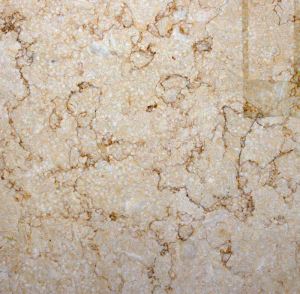


As a supplier of 20mm granite paving, I often get asked whether this type of paving is resistant to stains. It's a valid concern, as stains can not only detract from the aesthetic appeal of the paving but also potentially reduce its lifespan. In this blog post, I'll delve into the science behind granite's stain resistance, explore the factors that can affect it, and offer some practical tips on how to maintain the stain resistance of your 20mm granite paving.
Understanding Granite and Its Properties
Granite is an igneous rock formed from the slow crystallization of magma beneath the Earth's surface. It is composed mainly of quartz, feldspar, and mica, which gives it its characteristic hardness and durability. These minerals also contribute to granite's natural resistance to stains. Quartz, in particular, is highly resistant to chemical attack and staining, making it a key component in granite's stain-resistant properties.
The density of granite also plays a crucial role in its stain resistance. Dense granite has fewer pores and fissures, which means that it is less likely to absorb liquids and stains. A well-polished granite surface further enhances its stain resistance by creating a smooth, non-porous barrier that prevents liquids from seeping into the stone.
Stain Resistance of 20mm Granite Paving
In general, 20mm granite paving is quite resistant to stains. The thickness of the paving slab provides an extra layer of protection, and the natural properties of granite make it less susceptible to staining compared to other types of paving materials. However, it's important to note that no material is completely stain-proof, and several factors can affect the stain resistance of granite paving.
Porosity
As mentioned earlier, the porosity of granite determines how easily it can absorb stains. While granite is generally a low-porosity material, there can be variations in porosity depending on the specific type of granite and its source. Some granites may have a slightly higher porosity, which means they are more prone to staining. It's essential to choose a high-quality granite with low porosity to ensure better stain resistance.
Sealing
Sealing is an important step in enhancing the stain resistance of 20mm granite paving. A good-quality sealant creates a protective barrier on the surface of the granite, preventing liquids from penetrating the stone. The frequency of sealing depends on the type of granite, the amount of traffic the paving will receive, and the environment in which it is installed. In general, it's recommended to seal granite paving every 1 - 3 years.
Type of Stain
The type of stain also plays a significant role in how easily it can be removed from granite paving. Organic stains, such as those caused by food, beverages, and plant matter, are generally easier to clean than inorganic stains, such as oil and grease. Acidic substances can also etch the surface of granite, making it more susceptible to staining.
Factors Affecting Stain Resistance
Environmental Conditions
The environment in which the 20mm granite paving is installed can have a significant impact on its stain resistance. Paving installed in areas with high humidity or frequent exposure to rain may be more prone to staining, as the moisture can cause the growth of mold and mildew, which can leave stains on the surface of the granite. Additionally, exposure to harsh chemicals, such as de-icing salts and acidic pollutants, can also damage the granite and reduce its stain resistance.
Traffic and Usage
The amount of traffic and the type of usage the granite paving will receive also affect its stain resistance. High-traffic areas, such as driveways and walkways, are more likely to be exposed to dirt, debris, and spills, which can increase the risk of staining. Similarly, if the paving is used for commercial purposes, such as in a restaurant or a shopping mall, it may be more prone to staining due to the higher volume of people and potential spills.
Preventing and Removing Stains
Prevention
Preventing stains is always better than trying to remove them. Here are some tips to prevent stains on your 20mm granite paving:
- Clean Spills Immediately: Wipe up any spills as soon as they occur to prevent them from seeping into the granite.
- Use Mats and Rugs: Place mats and rugs at entrances to reduce the amount of dirt and debris that is tracked onto the paving.
- Avoid Harsh Chemicals: Use mild, pH-neutral cleaners to clean the granite paving. Avoid using acidic or abrasive cleaners, as they can damage the surface of the stone.
Removal
If stains do occur on your 20mm granite paving, there are several methods you can use to remove them:


- Mild Detergent and Water: For light stains, a solution of mild detergent and water can often be effective. Simply apply the solution to the stain, scrub gently with a soft brush, and rinse thoroughly.
- Poultice: For more stubborn stains, a poultice can be used. A poultice is a paste made from a porous material, such as flour or baking soda, and a liquid, such as hydrogen peroxide or acetone. Apply the poultice to the stain, cover it with plastic wrap, and let it sit for several hours or overnight. The poultice will draw the stain out of the granite.
- Professional Cleaning: If the stain is particularly stubborn or if you're unsure how to remove it, it's best to consult a professional stone cleaning service.
Additional Granite Products
In addition to 20mm granite paving, we also offer a range of other high-quality granite products, such as Granite Cladding Panels, Exterior Granite Wall Cladding, and G603 Granite Tiles. These products are also known for their durability and stain resistance, making them ideal for both indoor and outdoor applications.
Conclusion
20mm granite paving is a highly durable and stain-resistant option for your outdoor and indoor paving needs. While it is not completely stain-proof, with proper installation, sealing, and maintenance, you can ensure that your granite paving remains beautiful and stain-free for many years to come. If you're interested in purchasing 20mm granite paving or any of our other granite products, please feel free to contact us for more information and to discuss your specific requirements. We look forward to working with you to create the perfect paving solution for your project.
References
- "Granite: A Comprehensive Guide." Stone World Magazine.
- "Stain Resistance of Natural Stone." The Marble Institute of America.
- "Maintenance and Care of Granite Paving." International Masonry Institute.