




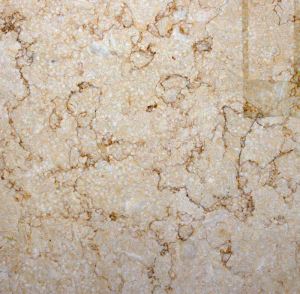
Marble is a natural stone that has been prized for centuries for its beauty, durability, and versatility. As a leading marble stone supplier, I am often asked about how marble is formed. In this blog post, I will delve into the fascinating geological processes that give rise to this exquisite material.
The Basics of Marble Formation
Marble is a metamorphic rock, which means it is formed from the transformation of pre - existing rocks under high pressure and temperature. The primary precursor to marble is limestone, a sedimentary rock composed mainly of calcium carbonate (CaCO₃). Limestone forms in shallow marine environments when the shells and skeletons of marine organisms accumulate on the ocean floor over time. These remains, along with the precipitation of calcium carbonate from seawater, build up layer upon layer, eventually solidifying into limestone.
Metamorphism: The Key Process
The transformation of limestone into marble occurs during a process called metamorphism. Metamorphism can be triggered by several geological events, such as tectonic plate movements, volcanic activity, or the burial of rocks deep within the Earth's crust. When limestone is subjected to high temperatures (usually between 150°C and 200°C) and pressures (around 300 megapascals), the calcite crystals within the limestone begin to recrystallize.
During recrystallization, the original small and randomly oriented calcite grains in limestone grow larger and become more interlocked. This process results in a more compact and dense structure, giving marble its characteristic hardness and durability. The recrystallization also erases the original sedimentary features of the limestone, such as bedding planes and fossils, although in some cases, traces of these features may still be visible.
Factors Affecting Marble Characteristics
Several factors can influence the appearance and properties of marble during its formation. These factors include the chemical composition of the original limestone, the presence of impurities, and the intensity and duration of the metamorphic process.
- Chemical Composition: The purity of the original limestone plays a crucial role in determining the color of the resulting marble. Pure limestone, composed almost entirely of calcium carbonate, typically forms white marble. However, if the limestone contains small amounts of other minerals, such as clay, silica, or iron oxides, it can impart different colors to the marble. For example, iron oxides can give marble a pink, red, or brown hue, while magnesium can result in a greenish tint.
- Impurities: Impurities in the limestone can also affect the texture and veining of the marble. Some impurities may act as nucleation sites for the growth of new minerals during metamorphism, leading to the formation of beautiful veining patterns. These veins can vary in color, thickness, and distribution, adding to the uniqueness and aesthetic appeal of the marble.
- Metamorphic Conditions: The intensity and duration of the metamorphic process can influence the grain size and overall quality of the marble. Higher temperatures and pressures generally result in larger calcite crystals and a coarser - grained marble. On the other hand, a more gradual and less intense metamorphic process may produce a finer - grained and more uniform marble.
Different Types of Marble Formations
There are several types of marble formations, each with its own unique characteristics and geological history.
- Regional Metamorphism: This type of metamorphism occurs over large areas due to the collision of tectonic plates. The immense pressure and heat generated by the plate collision cause widespread metamorphism of rocks, including limestone. Regional metamorphism often results in the formation of large marble deposits, such as those found in Carrara, Italy. Carrara marble is renowned for its high quality, fine grain, and white color, making it a popular choice for sculptures and high - end architectural applications. Carrara White Black Marble top dining coffee table white marble countertops
- Contact Metamorphism: Contact metamorphism occurs when hot magma from a volcanic intrusion comes into contact with surrounding limestone. The heat from the magma causes the limestone to recrystallize, forming marble in a relatively small area around the intrusion. Contact - metamorphosed marble often has a different texture and appearance compared to regionally metamorphosed marble, with more irregular veining and a wider range of colors.
- Hydrothermal Metamorphism: In hydrothermal metamorphism, hot, mineral - rich fluids circulate through the limestone, causing chemical reactions and recrystallization. These fluids can introduce new minerals into the marble, resulting in unique colors and patterns. Hydrothermal metamorphism can occur in areas with active geothermal systems or near faults where fluids can flow freely.
Marble in the Market
As a marble stone supplier, I offer a wide range of marble products for various applications. Our marble collection includes different colors, patterns, and finishes to meet the diverse needs of our customers. Whether you are looking for marble floors, countertops, or decorative elements, we have the perfect solution for you.
Marble Floors Rosso Francia Green Forest Indian Green Red Alicante Marble Porto Portogallo are a popular choice for both residential and commercial spaces. They add a touch of elegance and sophistication to any room, and their durability ensures long - lasting beauty. Our marble floors are available in a variety of sizes, shapes, and colors, allowing you to create a unique and personalized look.
For those who are interested in using marble for furniture, our Carrara White Black Marble top dining coffee table white marble countertops offer a luxurious and stylish option. The smooth surface of the marble provides a perfect platform for dining or displaying decorative items, and the natural veining patterns add a sense of artistry.


In addition, our Bathroom Polished Dark Emprador Marble Slabs For Flooring / Wall Marble Stair/Step/Riser Floor Tile Lobby (MT066) are ideal for bathroom and other wet areas. The polished finish not only enhances the beauty of the marble but also makes it easier to clean and maintain.
Conclusion
The formation of marble is a complex and fascinating geological process that spans millions of years. From the accumulation of marine sediments to the intense heat and pressure of metamorphism, every step in the process contributes to the unique characteristics of this beautiful stone. As a marble stone supplier, I am dedicated to providing high - quality marble products that showcase the natural beauty and elegance of this remarkable material.
If you are interested in purchasing marble for your next project, whether it's a small home renovation or a large - scale commercial development, I invite you to contact me for a consultation. We can discuss your specific requirements, explore the different options available, and find the perfect marble solution for you.
References
- Press, F., & Siever, R. (1986). Understanding Earth. W. H. Freeman and Company.
- Skinner, B. J., Porter, S. C., & Botkin, D. B. (2003). The Dynamic Earth: An Introduction to Physical Geology. John Wiley & Sons.