



Granite stone and ceramic tiles are two popular choices for flooring, countertops, and other surfaces in both residential and commercial settings. As a supplier of high - quality granite stone, I often get asked how granite stone compares to ceramic tiles. In this blog, I'll dive deep into various aspects such as durability, aesthetics, cost, maintenance, and environmental impact to help you make an informed decision.
Durability
One of the most significant factors when choosing a material for your surfaces is durability. Granite is an igneous rock formed from the slow crystallization of magma beneath the Earth's surface. This natural formation process results in a material that is extremely hard and resistant to scratches, chips, and heat. For high - traffic areas like hallways or commercial kitchens, granite can withstand the daily wear and tear without showing significant signs of damage.
On the other hand, ceramic tiles are made from clay and other natural materials that are fired at high temperatures. While they are generally durable, they are more prone to cracking under heavy impact compared to granite. For instance, dropping a heavy object on a ceramic tile floor might cause it to crack, whereas the same impact on a granite floor may only result in a minor scratch.
If you're looking for a long - lasting solution for your flooring or countertops, granite stone is often the better choice. Check out our Polished Shanxi Black Granite Slab For Flooring/Wall, which offers exceptional durability and a sleek appearance.
Aesthetics
When it comes to aesthetics, both granite stone and ceramic tiles have their unique charm. Granite has a natural, organic look that can add a touch of luxury to any space. Each slab of granite is unique, with its own pattern and color variations. Whether you prefer the bold and dramatic look of black granite or the more subtle and earthy tones of beige or brown granite, there is a wide range of options available.
Ceramic tiles, on the other hand, offer a greater degree of customization in terms of color, pattern, and size. You can find ceramic tiles that mimic the look of natural stone, wood, or even concrete. This makes them a popular choice for those who want a specific aesthetic without the high cost of natural materials. However, some people argue that the look of ceramic tiles can appear artificial compared to the real deal.
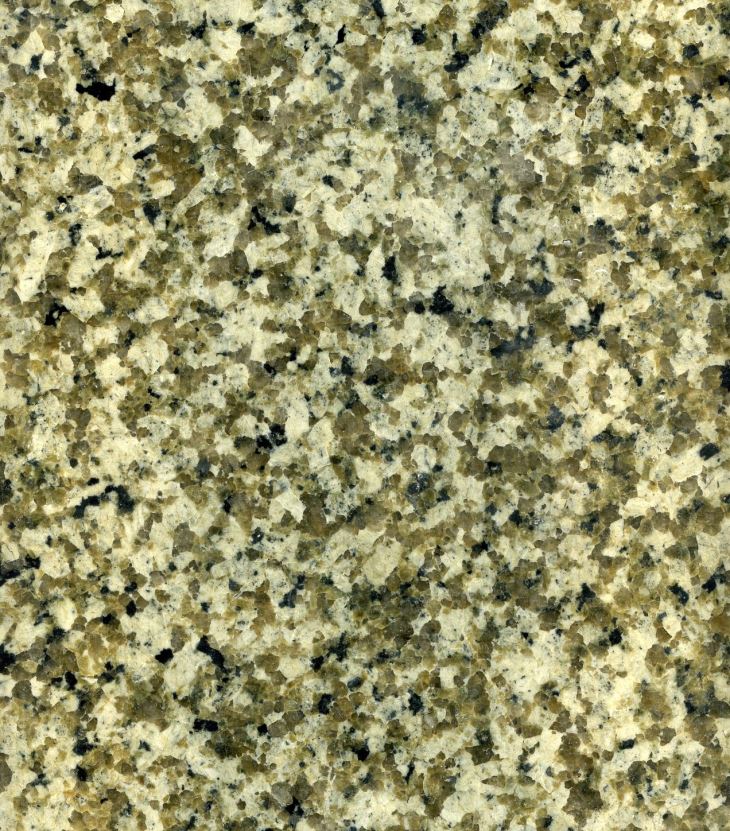

Our Flamed Granite China Green Emerald Green Butterfly Green Bianco Gamma showcases the natural beauty of granite, with its unique texture and vibrant colors. It can be a focal point in any room, adding a sense of elegance and sophistication.
Cost
Cost is often a major consideration when choosing between granite stone and ceramic tiles. Generally, granite stone is more expensive than ceramic tiles. The cost of granite depends on factors such as the type of granite, its origin, and the finish. High - end granite varieties, such as rare imported stones, can be quite costly.
Ceramic tiles, on the other hand, are available at a wide range of price points. You can find budget - friendly ceramic tiles that are suitable for basic applications, as well as more expensive, high - quality tiles that offer better durability and aesthetics.
However, it's important to consider the long - term cost. While granite may have a higher upfront cost, its durability means that you may not need to replace it as often as ceramic tiles. In the long run, the cost of maintaining and replacing ceramic tiles could add up, making granite a more cost - effective option.
Maintenance
Maintenance is another important aspect to consider. Granite stone requires regular sealing to prevent staining. The frequency of sealing depends on the type of granite and its usage. For example, granite countertops in a kitchen may need to be sealed more often than granite flooring in a living room. When spills occur, it's important to clean them up immediately to avoid staining.
Ceramic tiles are relatively low - maintenance. They can be easily cleaned with a mild detergent and water. However, the grout between the tiles can be a problem area. Grout can become dirty and discolored over time, and it may need to be cleaned or even re - grouted periodically.
To ensure the longevity and beauty of your granite surfaces, proper maintenance is key. Our Granite Slabs G654 Butterfly Blue Vizag Blue Padang dark Blue Pear can be maintained with regular sealing and cleaning to keep it looking its best.
Environmental Impact
In today's environmentally conscious world, the environmental impact of building materials is an important consideration. Granite is a natural material, which means it is a renewable resource in the long term. However, the extraction and processing of granite can have a significant environmental impact, including habitat destruction and energy consumption.
Ceramic tiles are made from natural materials such as clay, but the manufacturing process requires a large amount of energy, mainly for firing the tiles at high temperatures. Additionally, the disposal of ceramic tiles at the end of their life cycle can be a challenge.
Some granite suppliers, including us, are taking steps to reduce the environmental impact of their operations. We are committed to sustainable sourcing and responsible manufacturing practices to minimize our carbon footprint.
Conclusion
In conclusion, both granite stone and ceramic tiles have their own advantages and disadvantages. Granite stone offers superior durability, a natural and luxurious aesthetic, and can be a cost - effective option in the long run. However, it requires more maintenance and has a higher upfront cost. Ceramic tiles, on the other hand, are more affordable, offer greater customization, and are relatively low - maintenance.
If you're still unsure which option is right for your project, I encourage you to reach out to us. We have a team of experts who can provide you with more information and help you make the best decision based on your specific needs and budget. Whether you're building a new home, renovating a kitchen, or working on a commercial project, we can supply you with high - quality granite stone that meets your requirements. Contact us today to start the procurement discussion and bring your vision to life.
References
- "Building Materials: A Guide to Selection and Specification" by John P. Harris
- "The Handbook of Stone Masonry" by Frank C. Darling
- Various industry reports on granite and ceramic tile production and usage.