



When it comes to choosing the right granite tiles for your construction or decoration projects, one of the critical factors that often comes under scrutiny is the color distribution. In my role as a supplier of G603 Granite Tiles, I've encountered numerous inquiries from clients regarding whether these tiles have a uniform color distribution. This blog post aims to delve into this topic comprehensively, exploring the characteristics of G603 Granite Tiles, the factors influencing their color distribution, and what clients can expect in terms of color consistency.


Understanding G603 Granite Tiles
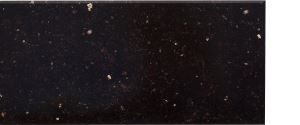
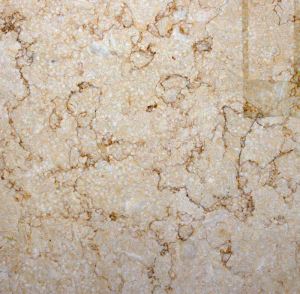
G603 Granite Tiles are a popular choice in the construction and interior design industries. Originating from China, this type of granite is known for its durability, strength, and aesthetic appeal. It features a light color palette, typically dominated by a creamy white base with subtle gray and black speckles. These natural inclusions give G603 Granite Tiles a unique and elegant appearance, making them suitable for a wide range of applications, including Granite Paving Tiles, Honed Granite Tile Flooring, and 20mm Granite Paving.
The Concept of Uniform Color Distribution
Uniform color distribution in granite tiles refers to the consistency of color across the surface of each tile and among multiple tiles within a batch. In an ideal scenario, all tiles would have the same base color, with the same intensity and pattern of inclusions. However, achieving perfect uniformity in natural stone products like granite is extremely challenging due to the geological processes involved in their formation.
Factors Affecting Color Distribution in G603 Granite Tiles
Geological Formation
Granite is an igneous rock formed deep within the Earth's crust through the slow cooling and solidification of magma. The composition of the magma, the rate of cooling, and the presence of various minerals all contribute to the final appearance of the granite. Different regions within a granite quarry may have slightly different geological conditions, resulting in variations in color and pattern. For example, areas with a higher concentration of certain minerals may exhibit darker or more prominent speckles.
Quarrying and Processing
The quarrying process can also impact the color distribution of G603 Granite Tiles. If the blocks are extracted from different parts of the quarry, they may have different color characteristics. Additionally, the cutting and polishing techniques used during processing can affect the way the color appears on the surface of the tiles. Improper cutting or polishing can cause uneven color reflection, making the tiles seem less uniform.
Natural Variations
Even within the same block of granite, there can be natural variations in color. These variations are a result of the complex geological processes that occurred during the rock's formation. Some areas may have a more intense base color, while others may have a lighter or more diluted appearance. These natural variations are what give granite its unique charm and character but can also pose challenges in achieving uniform color distribution.
Assessing Color Uniformity in G603 Granite Tiles
As a supplier, we take several steps to ensure the highest possible level of color uniformity in our G603 Granite Tiles. Before processing, we carefully select the blocks from the quarry to minimize color variations. We also group the blocks based on their color characteristics to ensure that tiles from the same batch have similar appearances.
During the production process, we use advanced cutting and polishing equipment to ensure consistent surface finish. Our quality control team conducts thorough inspections of each tile to identify any significant color differences. Tiles that do not meet our strict quality standards are rejected to maintain the overall uniformity of the batch.
However, it's important to note that some degree of natural variation is inevitable in granite tiles. Even with our best efforts, there may still be slight differences in color and pattern among the tiles. These variations are not defects but rather a natural characteristic of the stone.
Managing Expectations for Clients
When working with clients, we are transparent about the natural variations in G603 Granite Tiles. We provide samples to give them a clear idea of what to expect in terms of color and pattern. We also recommend that clients order a larger quantity of tiles than required to account for any potential variations during installation.
It's also important for clients to understand that these natural variations can actually enhance the overall aesthetic appeal of their projects. The unique patterns and colors of granite tiles can add a touch of elegance and sophistication to any space. By embracing the natural beauty of the stone, clients can create a truly one-of-a-kind look.
The Benefits of G603 Granite Tiles Despite Color Variations
Despite the challenges in achieving perfect color uniformity, G603 Granite Tiles offer numerous benefits that make them a popular choice for many projects. Their durability and strength make them suitable for high-traffic areas, such as floors and countertops. They are also resistant to heat, scratches, and stains, making them easy to maintain.
In addition to their practical benefits, G603 Granite Tiles have a timeless and elegant appearance that can enhance the value of any property. Whether used in residential or commercial settings, these tiles can create a luxurious and inviting atmosphere.
Conclusion
In conclusion, while G603 Granite Tiles do not have a perfectly uniform color distribution, we take every possible measure to minimize variations and ensure the highest level of quality. The natural variations in color and pattern are a characteristic of the stone and can add to its unique charm.
As a supplier, we are committed to providing our clients with the best possible products and services. If you are interested in purchasing G603 Granite Tiles for your next project, we encourage you to contact us to discuss your specific requirements. Our team of experts will be happy to assist you in selecting the right tiles and answering any questions you may have.
References
- "Granite: A Comprehensive Guide." National Association of Home Builders.
- "The Geology of Granite." Geological Society of America.
- "Natural Stone Selection and Installation Guide." Marble Institute of America.