



Hey there! As a marble stone supplier, I often get asked if marble stone can be used in bathrooms. Well, the short answer is yes, but there's a bit more to it than that. In this blog post, I'll break down everything you need to know about using marble in your bathroom, from its pros and cons to the best types of marble for the job.
Let's start with the good stuff. Marble is a beautiful and luxurious material that can instantly elevate the look of any bathroom. Its natural veining and unique patterns add a touch of elegance and sophistication that's hard to beat. Whether you're going for a classic, traditional look or a more modern, contemporary style, marble can fit right in.
One of the biggest advantages of using marble in the bathroom is its durability. When properly sealed and maintained, marble can withstand the constant exposure to water, humidity, and cleaning products. It's also a relatively hard material, which means it's less likely to scratch or chip compared to some other types of flooring or countertops.
Another benefit of marble is its heat resistance. This makes it a great choice for bathrooms with heated floors, as it can help distribute the heat evenly and keep your feet warm on those cold mornings.
But like any material, marble also has its drawbacks. One of the main concerns with using marble in the bathroom is its porosity. Marble is a porous stone, which means it can absorb liquids and stains if not properly sealed. This is especially important in a bathroom, where spills and splashes are common. If you're not careful, a simple toothpaste stain or a drop of hair dye can leave a permanent mark on your marble.
To prevent staining, it's crucial to seal your marble regularly. This involves applying a sealant to the surface of the stone to create a protective barrier that repels liquids. The frequency of sealing will depend on the type of marble and how much traffic your bathroom gets, but as a general rule, it's a good idea to seal your marble every 1 - 2 years.

Another potential issue with marble is its susceptibility to etching. Etching occurs when acidic substances, such as lemon juice, vinegar, or certain cleaning products, come into contact with the marble surface. These acids can react with the calcium carbonate in the marble, causing the surface to dull and lose its shine. To avoid etching, it's important to use pH - neutral cleaning products specifically designed for marble and to wipe up any spills immediately.
Now, let's talk about the different types of marble that are suitable for bathrooms. There are many varieties of marble available, each with its own unique color, pattern, and characteristics.
One popular choice for bathrooms is Calacatta marble. Calacatta marble is known for its large, dramatic veins and its bright white background. It has a very luxurious and high - end look, making it a great option for those who want to make a statement in their bathroom. You can find more information about marble countertops like Calacatta marble on this page: Marble Countertops Calacatta marble bathrooms flooring marble rock.
Another option is Carrara marble. Carrara marble is a more affordable alternative to Calacatta, with thinner, more delicate veins and a slightly grayish - white background. It has a classic, timeless look that works well in both traditional and modern bathrooms.
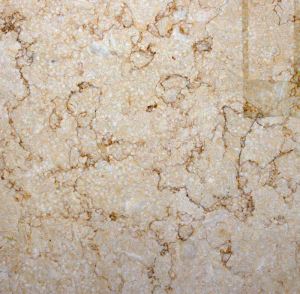
If you're looking for something a bit more unique, you might consider Crema Marfil marble. This marble has a warm, creamy color and subtle veining, giving it a soft and inviting appearance. It's a great choice for creating a spa - like atmosphere in your bathroom. You can explore different natural marble tiles including Cream Marfil on this page: Natural Marble Tiles Cream Marfil Nova Cream Botticino Classico Grey Marble Nero Marquina.
When it comes to color, there's a wide range of options available. You can choose from white, black, green, red, beige, and many other colors. Each color can create a different mood and style in your bathroom. Check out the different marble colors and their manufacturers on this page: Marble Colors Black Green Red White Beige Manufacturers.
So, how do you use marble in your bathroom? Well, there are several ways to incorporate marble into your bathroom design. One of the most common uses is for countertops. A marble countertop can add a touch of luxury to your vanity and provide a beautiful surface for your sink and faucets.
Marble can also be used for flooring. A marble floor can create a sleek and sophisticated look, and it's easy to clean and maintain. Just make sure to choose a marble with a honed or textured finish to prevent slipping.
Another option is to use marble for wall tiles. Marble wall tiles can add a dramatic focal point to your bathroom and create a spa - like atmosphere. You can use them on a full wall, as a backsplash, or to create an accent wall.
If you're considering using marble in your bathroom, here are some tips to keep in mind:
- Choose the right type of marble: As we've discussed, different types of marble have different characteristics. Consider the color, pattern, porosity, and durability of the marble before making your decision.
- Seal your marble: To prevent staining and etching, make sure to seal your marble regularly. Follow the manufacturer's instructions for the best results.
- Use the right cleaning products: Avoid using acidic or abrasive cleaning products on your marble. Instead, use pH - neutral cleaners specifically designed for marble.
- Wipe up spills immediately: To prevent staining, it's important to wipe up any spills or splashes as soon as they happen.
In conclusion, marble can be a great choice for bathrooms if you're willing to put in the time and effort to maintain it. Its beauty, durability, and heat resistance make it a popular option for homeowners who want to create a luxurious and stylish bathroom. Just be aware of its porosity and susceptibility to staining and etching, and take the necessary precautions to keep your marble looking its best.
If you're interested in purchasing marble for your bathroom project, I'd love to chat with you. I can help you choose the right type of marble, provide you with samples, and give you advice on installation and maintenance. Whether you're a DIY enthusiast or working with a contractor, I'm here to support you every step of the way.
References
- "Marble: A Natural Stone Guide" by The Marble Institute of America
- "Bathroom Design Ideas" by HGTV