



As a seasoned supplier of marble slabs, I've encountered numerous queries from parents regarding the suitability of marble in children's rooms. This blog aims to delve into the multifaceted aspects of using marble slabs in a children's room, weighing the pros and cons to help you make an informed decision.
Advantages of Using Marble Slabs in a Children's Room
Aesthetic Appeal
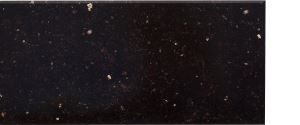
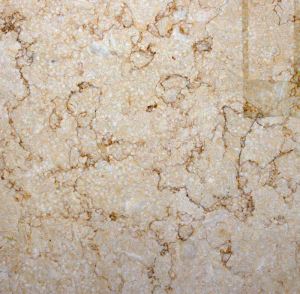
Marble is renowned for its timeless beauty and elegance. Its natural veining and unique patterns can add a touch of luxury to any space, including a children's room. Whether you opt for the Grey Wood Vein Marble, which mimics the look of natural wood with its greyish tones and intricate veining, or the Cream Beige Marble, with its warm and inviting hues, marble can create a visually stunning environment for your child.
Durability
Marble is a hard and dense natural stone, making it highly durable. It can withstand the wear and tear of daily use, including the activities of energetic children. Unlike some other flooring or wall materials, marble is less likely to scratch, dent, or chip, ensuring that it maintains its beauty for years to come. This durability makes it a practical choice for a children's room, where it may be subjected to rough play and frequent movement.
Hygiene
Marble is a non-porous material, which means it does not absorb moisture or liquids easily. This makes it resistant to the growth of mold, mildew, and bacteria, creating a healthier environment for your child. Additionally, marble is easy to clean and maintain. A simple wipe with a damp cloth and a mild cleaning solution is usually sufficient to keep it looking its best.
Versatility
Marble can be used in a variety of applications in a children's room. It can be used as flooring, wall cladding, or even as a decorative element such as a Marble Background Wall. Its versatility allows you to create a cohesive and stylish design that suits your child's personality and the overall theme of the room.


Disadvantages of Using Marble Slabs in a Children's Room
Coldness
One of the main drawbacks of using marble in a children's room is its coldness. Marble has a high thermal conductivity, which means it can feel cold to the touch, especially in colder climates. This can be uncomfortable for children, especially if they are barefoot. To mitigate this issue, you can consider using area rugs or underfloor heating to provide additional warmth.
Slipperiness
When wet, marble can become slippery, posing a safety hazard for children. This is particularly important to consider if the marble is used in areas where there is a risk of spills, such as near a sink or in a play area. To reduce the risk of slips and falls, you can choose a marble with a textured finish or apply a non-slip treatment to the surface.
Cost
Marble is generally more expensive than other flooring and wall materials. The cost of the marble itself, as well as the installation and maintenance, can add up quickly. This may be a consideration for some parents, especially if they are on a tight budget. However, it's important to remember that marble is a long-term investment that can add value to your home.
Maintenance
While marble is relatively easy to clean, it does require some special care and maintenance to keep it looking its best. Marble is sensitive to acidic substances, such as lemon juice, vinegar, and some cleaning products, which can etch the surface and cause damage. It's important to use only pH-neutral cleaning solutions and to avoid using abrasive materials when cleaning marble.
Considerations for Using Marble Slabs in a Children's Room
Safety
Safety should be your top priority when using marble in a children's room. As mentioned earlier, marble can be slippery when wet, so it's important to take precautions to prevent slips and falls. You can choose a marble with a textured finish or apply a non-slip treatment to the surface. Additionally, make sure to keep the marble clean and dry to reduce the risk of accidents.
Comfort
As marble can feel cold to the touch, it's important to consider your child's comfort. You can use area rugs or underfloor heating to provide additional warmth. You can also choose a marble with a lighter color, as lighter colors tend to absorb less heat and feel warmer.
Design
When using marble in a children's room, it's important to consider the overall design and theme of the room. Marble can be a bold and dramatic choice, so it's important to balance it with other elements in the room to create a cohesive and harmonious look. You can choose a marble with a pattern or color that complements the other colors and materials in the room.
Budget
As mentioned earlier, marble can be more expensive than other flooring and wall materials. It's important to consider your budget when choosing marble for your child's room. You can look for ways to save money, such as choosing a less expensive type of marble or using it in smaller areas.
Conclusion
In conclusion, marble slabs can be a beautiful and practical choice for a children's room, but they do come with some drawbacks. When considering using marble in your child's room, it's important to weigh the pros and cons and to take into account your child's safety, comfort, and the overall design and budget of the room. With proper care and maintenance, marble can provide a durable, hygienic, and stylish environment for your child.
If you're interested in learning more about our marble slabs or would like to discuss your specific needs, please feel free to contact us. We'd be happy to help you choose the perfect marble for your child's room and to provide you with a free quote.
References
- "Marble: A Guide to Its Properties and Uses." The Stone Store.
- "Safety Considerations for Using Marble in Children's Rooms." Home Decor Magazine.
- "How to Clean and Maintain Marble." DIY Home Improvement.