



Hey there! As a supplier of Sintered Countertops, I often get asked whether sintered countertops are more expensive than granite countertops. It's a valid question, especially when you're looking to upgrade your kitchen or bathroom. So, let's dive right in and break down the costs and factors that might influence the price of these two popular countertop materials.
Understanding Sintered Countertops
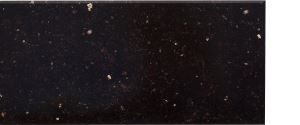
First off, what are sintered countertops? Sintered countertops are made through a high - tech process that involves compressing natural minerals at extremely high temperatures and pressures. This creates a dense, non - porous surface that's resistant to scratches, stains, heat, and UV rays. You can check out more about Sintered Countertops here.
One of the great things about sintered countertops is their versatility. They come in a wide range of colors, patterns, and finishes, allowing you to achieve almost any aesthetic you desire. Whether you're going for a modern, minimalist look or a more traditional style, there's a sintered countertop option for you.


Granite Countertops: A Classic Choice
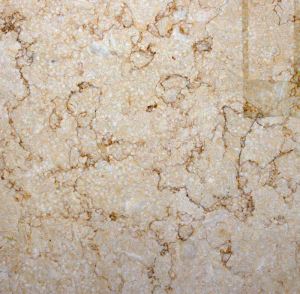
Granite has been a go - to choice for countertops for decades. It's a natural stone that's quarried from the earth. Each slab of granite is unique, with its own pattern and color variations, which adds a touch of luxury and elegance to any space.
Granite is known for its durability. It can withstand heavy use in the kitchen and is relatively resistant to scratches and heat. However, it is a porous material, which means it needs to be sealed regularly to prevent staining.
Cost Factors for Sintered Countertops
Now, let's talk about the cost of sintered countertops. The price of sintered countertops can vary depending on several factors. First, the brand and quality of the sintered material play a big role. High - end brands may charge more for their products, but they often come with better warranties and quality control.
The thickness of the countertop also affects the price. Thicker sintered countertops are generally more expensive because they require more material and more processing. Installation costs can also add up. Since sintered countertops are often custom - made, the installation process can be more complex and time - consuming, which may increase the overall cost.
Cost Factors for Granite Countertops
When it comes to granite countertops, the cost is mainly determined by the type of granite. Some rare or exotic granite varieties can be quite expensive due to their limited availability and unique appearance. The size and complexity of the countertop layout also impact the price. If you have a large or oddly - shaped kitchen, you may need to use more granite slabs, which can drive up the cost.
Just like sintered countertops, installation is a significant cost factor for granite. Professional installation is crucial to ensure the proper alignment and sealing of the granite slabs. Poor installation can lead to issues like cracking or uneven surfaces, so it's worth investing in a good installer.
Comparing the Costs
On average, sintered countertops tend to be more expensive than granite countertops. Sintered materials are a relatively new technology, and the production process is more complex, which contributes to the higher price tag. However, the price difference isn't always huge, and it can vary depending on the specific products and installation requirements.
Let's say you're looking at a mid - range option for both materials. A sintered countertop might cost anywhere from $80 to $150 per square foot, including installation. In contrast, a mid - range granite countertop could cost between $50 and $100 per square foot installed.
But it's not just about the upfront cost. You also need to consider the long - term costs. Sintered countertops require less maintenance over time because they're non - porous and don't need to be sealed. Granite, on the other hand, needs to be resealed every 1 - 3 years, which adds to the long - term expense.
Other Considerations
Beyond cost, there are other factors to think about when choosing between sintered and granite countertops. For example, if you're concerned about the environmental impact, sintered countertops are often a better choice. They're made from natural minerals and can be recycled at the end of their lifespan.
In terms of design flexibility, sintered countertops have the upper hand. They can mimic the look of natural stone, wood, or even concrete, giving you more options to match your interior design. Granite, while beautiful, has a more traditional look and may not be as versatile in terms of color and pattern options.
If you're into DIY projects, granite might be a bit more challenging to work with. It's a heavy and brittle material, so cutting and installing it requires specialized tools and skills. Sintered countertops, although still best installed by professionals, are generally lighter and easier to handle.
Related Products
If you're considering upgrading your space further, you might also be interested in our Decorative Stone Cladding Panels and Decorative Wall Cladding Panels. These products can add a unique and stylish touch to your walls, complementing your new countertops.
Making the Decision
So, are sintered countertops more expensive than granite countertops? In most cases, yes. But whether the higher cost is worth it depends on your personal preferences, budget, and long - term goals. If you're willing to pay a bit more for a low - maintenance, highly versatile countertop, sintered might be the way to go. If you love the natural beauty of granite and don't mind the extra maintenance, then granite could be your best choice.
If you're still not sure which option is right for you, or if you'd like to get a quote for our Sintered Countertops, feel free to reach out. We're here to help you make an informed decision and find the perfect countertop for your space.
References
- "Countertop Materials Guide" - Home Improvement Magazine
- "The Science of Sintered Materials" - Material Science Journal
- "Granite: A Natural Stone Resource" - Natural Stone Association Publications